
Standing Seam Metal Roofs: The Complete Homeowner’s Guide (Types, Pros & Cons, Cost, and FAQs)
You have lots of roofing options these days.
But chances are what you really care about is pretty simple. You want a roof that looks sharp, holds up in rough weather, and doesn’t turn into a maintenance project every few years.
That’s what standing seam metal roofs roofs are known for.
This guide gives you everything you need to know to make an informed choice.
You’ll learn what a standing seam roof is, the two main standing seam designs, what actually matters for performance, what it tends to cost installed, and quick answers to the questions homeowners ask most.
What is a standing seam metal roof, exactly?
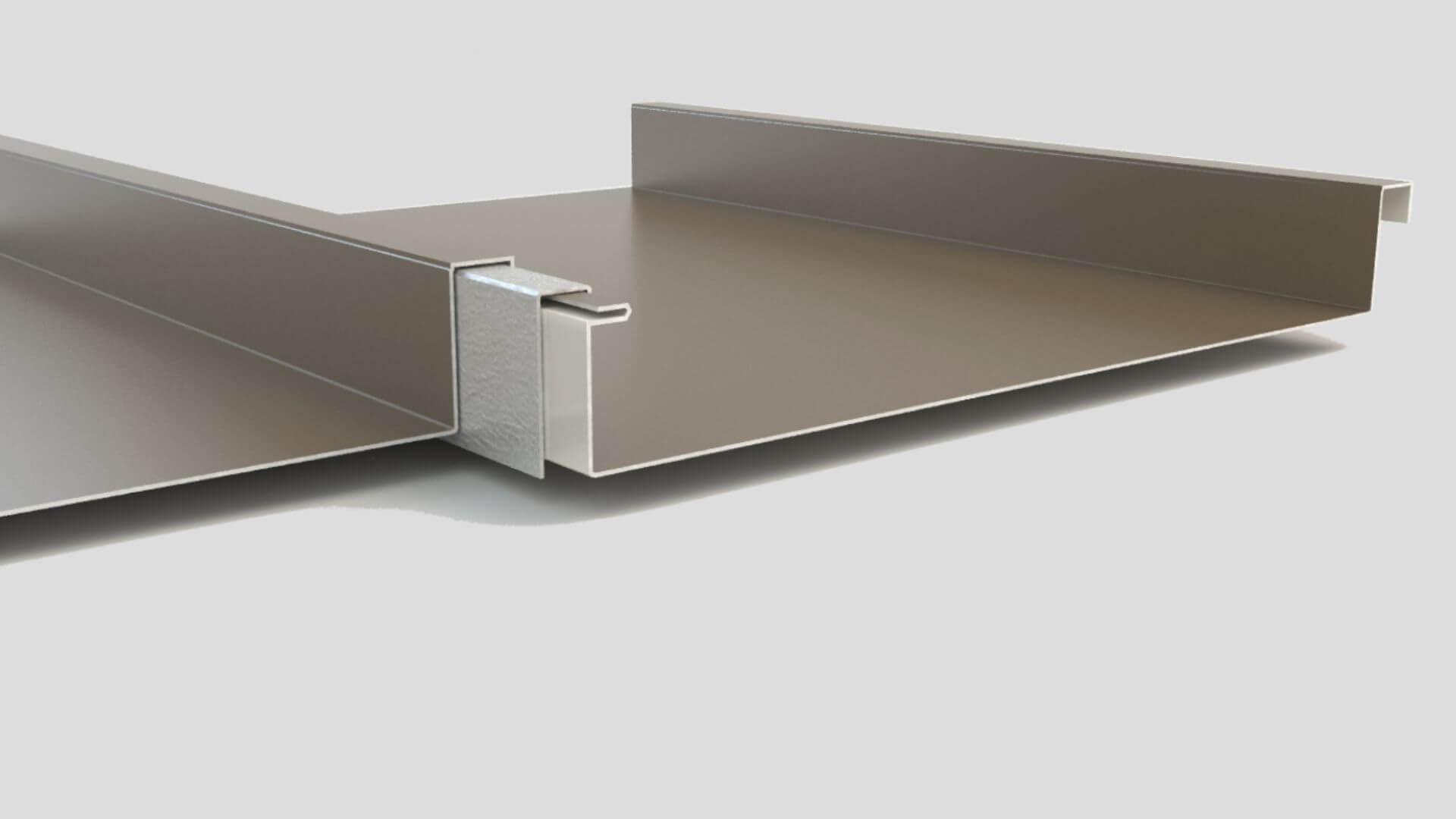
A standing seam metal roof is made from long metal panels that interlock together with raised seams running vertically up the roof. That way the fasteners are typically concealed beneath the panels instead of exposed to sun and rain.
This matters for two reasons.
Fewer exposed fasteners can mean fewer potential leak points over time, and the finished roof has a clean, architectural look that stays consistent year after year.
Why homeowners choose standing seam (real-life results that actually matter)
Standing seam is popular because it’s built like a long-term system, not a short-term patch. When it’s designed and installed correctly, it’s the kind of roof you put on and stop thinking about—at least compared to many other options.
One of the biggest advantages is the concealed-fastener design, which reduces the number of exposed points that can loosen, weather, or need attention later. Standing seam is also known for strong performance in climates with heavy rain, wind, or snow, and it tends to require less routine maintenance than systems with lots of exposed fasteners.
Homeowners in coastal or wildfire-prone areas tend to favor standing seam roofs.
And then there’s the look. Standing seam has a modern, high-end curb appeal that works on everything from clean contemporary homes to classic styles.
Standing seam isn’t one product: the main types homeowners will hear about
Standing seam is a category, not a single panel. The type of seam and how it’s installed can change your quote and affect how the roof behaves in tough conditions.
If you’re comparing bids, this is one of the first places to get clarity—because two “standing seam” quotes may not be quoting the same system.
Snap-lock standing seam (what it is and when it’s common)
Snap-lock panels do what they sound like: they snap together along the seams without needing the same level of on-site seaming equipment. They’re common in residential applications and often work well on steeper roofs with straightforward geometry.
Because they can be less labor-intensive, snap-lock systems often land on the lower end of standing seam pricing. That said, the specifics still matter—panel profile, clips, details, and the installer’s workmanship are what make it a true standing seam roof.
Mechanically seamed standing seam (what it is and when it’s used)
Mechanically seamed panels are locked together using a seaming process performed in the field. This approach is often selected for conditions that call for a more robust seam approach, including certain low-slope designs or more demanding exposure.
The big homeowner takeaway is simple: mechanically seamed systems typically require more labor, more tooling, and tighter process control—so they often cost more. When your roof design or local conditions point in this direction, that added cost can be a smart investment.
Other terms you’ll see (and what they usually mean)
You don’t need to become a roofer to compare systems, but it helps to recognize the vocabulary.
Concealed fastener means the screws or clips that hold the roof down aren’t exposed on the surface. That’s part of why standing seam is valued for long-term durability.
Panel profile is the specific shape and design of the panel and seams. Two profiles can look similar from the street but behave differently at edges, transitions, and thermal movement.
Seam height refers to how tall the raised seam is. It can influence appearance and water-management behavior, depending on the system.
Clip system is how the panels are anchored to the deck while still allowing the metal to expand and contract. It’s a quiet detail that matters a lot.
Once you understand these terms, you’ll be much better at spotting the difference between a tight scope and a vague one.
Standing seam metal roof cost (and why quotes vary so much)
Standing seam is premium roofing, and the installed price reflects that. Most homeowners see installed standing seam costs roughly in the $9–$15 per square foot range (or $900–$1,500 per “square,” where one square equals 100 square feet), with variation based on region, roof complexity, and system type.
The reason quotes can be all over the map is that “standing seam” can hide a lot of differences. Here are the main drivers that typically move cost up or down:
- Roof complexity and penetrations
- Tear-off vs overlay
- Underlayment and ventilation changes
- Panel profile, seam type, and clip system
- Finish and material choices
- Scope of flashings and trim
- Jobsite access and timeline constraints
A good quote tells you what you’re buying—not just what you’re paying. If you can’t see the system definition and the detailing scope, you can’t compare bids fairly.
Common homeowner concerns (fast answers)
These are the questions homeowners usually ask right before they request quotes. They’re good questions—and answering them early helps you move forward with fewer surprises.
Is a standing seam roof noisy in rain?
Most of the sound you hear (or don’t hear) depends on the roof assembly: deck, insulation, attic design, and ventilation—not the metal itself. In a typical residential setup, many homeowners report it sounds similar to other roofs.
If noise is a big concern, ask your installer how the underlayment and attic assembly will influence sound transmission. A thoughtful answer here is usually a sign you’re working with a pro.
Will it rust or corrode?
Coatings and environment matter. A properly finished metal roof performs well in many climates, but coastal or industrial environments should be addressed intentionally with the right finish system.
The best move is simple: tell your installer where you live and what exposure you have, then ask how that affects finish selection and warranty terms. It’s not about fear—it’s about matching the roof to reality.
Will it dent in hail or from falling branches?
Metal can dent depending on impact and the specific panel and substrate choices. In many cases dents are cosmetic rather than structural, but it’s still worth discussing if you’re in hail country or have large overhanging trees.
A good installer can explain which design choices reduce risk and how to balance aesthetics with durability. That’s the conversation you want before the roof goes on.
Does standing seam increase home value?
It can be a premium signal—especially for buyers who value durability and modern curb appeal. But value impact depends on your market, buyer expectations, and how well the roof fits the home.
Even when resale value is uncertain, many homeowners justify standing seam for the daily benefit: less maintenance worry and a consistent, high-end look.
How long does it last?
Longevity depends on the system, finish, climate, and installation quality. A properly installed standing seam roof is often chosen specifically because it can last for decades with relatively low maintenance.
If you want the most honest estimate, ask about the finish warranty, workmanship warranty, and what maintenance is recommended for your climate. Clear answers are a great sign.
Is standing seam right for your home? (simple decision cues)
Standing seam is a great fit if you plan to stay in the home, want long life and low maintenance, and care about a clean architectural look.
It’s also a strong choice in challenging weather regions where details and durability matter.
It may not be the best fit if you’re selling soon or your budget would force corners to be cut on underlayment and flashings.
FAQs – What homeowners usually ask
What is a standing seam metal roof?
A standing seam metal roof uses long metal panels with raised, interlocking seams that run vertically up the roof. Fasteners are typically concealed beneath the panels rather than exposed. That design supports a clean look and can reduce long-term leak risk compared to systems with many exposed fasteners.
Standing seam is a category, so the exact performance depends on the panel profile, seam type, and installation details.
Is standing seam better than shingles?
Standing seam can be “better” if you want long service life, low maintenance, and premium curb appeal. It’s also popular in heavy rain and wind regions because of its system-based detailing.
Shingles can be a good option when budget is the priority or when a home’s ownership horizon is shorter. The best choice depends on goals, climate, and installer quality.
What’s the difference between snap-lock and mechanically seamed?
Snap-lock panels interlock by snapping together and are often used in residential applications where quicker installation makes sense. Mechanically seamed systems are field-seamed using specialized tools and may be preferred for certain roof designs or exposures.
The key point for homeowners is that mechanically seamed systems often carry higher labor cost, and the seam type should be specified clearly in your quote.
How much does a standing seam metal roof cost?
Many homeowners see installed standing seam pricing around $9–$15 per square foot (or $900–$1,500 per square, where one square equals 100 sq ft). Your actual cost depends on roof complexity, tear-off needs, system type, finish selection, and the scope of flashings and transitions. A detailed quote matters more than the headline range.
Can standing seam go over shingles?
Sometimes, but it depends on roof condition, slope, local requirements, and the specific system being installed. An overlay can reduce tear-off cost, but it may also hide deck issues and should be quoted and evaluated carefully.
If an overlay is proposed, ask how ventilation, underlayment, and substrate requirements will be met.
What roof pitch is needed for standing seam?
Minimum pitch depends on the panel profile and seam type, and it should be confirmed by the installer using manufacturer requirements. Some systems are suitable for lower slopes than others.
The best practice is to have the contractor state in writing which system they’re using and that it’s appropriate for your pitch.
Does standing seam require maintenance?
It’s generally low maintenance, but no roof is “maintenance-free.” Regular debris removal, periodic inspections of penetrations and transitions, and staying ahead of small issues go a long way.
Think of it as a quick annual check, not a recurring project.
What colors are best for heat and fading?
Lighter colors usually run cooler in direct sun, and premium finishes are designed to hold color and resist chalking over time. Darker colors can still perform well when paired with high-performance coatings, depending on the system.
If you’re choosing between two options, ask for finish details and any published performance data relevant to your climate.
Get help choosing the right standing seam system for your climate and budget
Getting the right roof on your house saves you stress for decades to come. It’s something you’ll appreciate every time you pull into the driveway or hunker down on a stormy night.
But choosing the right roof shouldn’t feel like a shot in the dark.
Get in touch today and we’ll help you zero in on the style of roof that’s right for you.